Truth Time – when I first heard the term “nutritional yeast”, I thought it was a product used to bake bread that had some vitamins added to it.
It wasn’t until I saw a package of it on the shelf at Trader Joe’s (my home away from home) that I decided to look further into this product.
utritional yeast is the cheesy-tasting cousin to brewer’s and baker’s yeast that has gained popularity in recent years alongside the rising interest in plant-based diets.
Nutritional yeast is rich in nutrients often lacking from vegetarian and vegan diets. It’s also free of gluten, soy, and sugar, making it a great dietary addition for people with food sensitivities. However, research shows that its nutritional content can benefit any diet.
These golden flakes are made with yeast similar to the strain used in brewing and baking, but it’s deactivated in the final product. While nutritional yeast is rich in nutrients on its own, most varieties sold today are fortified with even more vitamins. You can find it at health stores and most supermarkets.
Due to its cheesy, nutty flavor, nutritional yeast can be added to just about all your meals and snacks for extra protein, vitamins, minerals, and antioxidants.
What is Nutritional Yeast?
Nutritional Yeast, often called “nooch”, is an inactive form of yeast that is often grown on molasses.
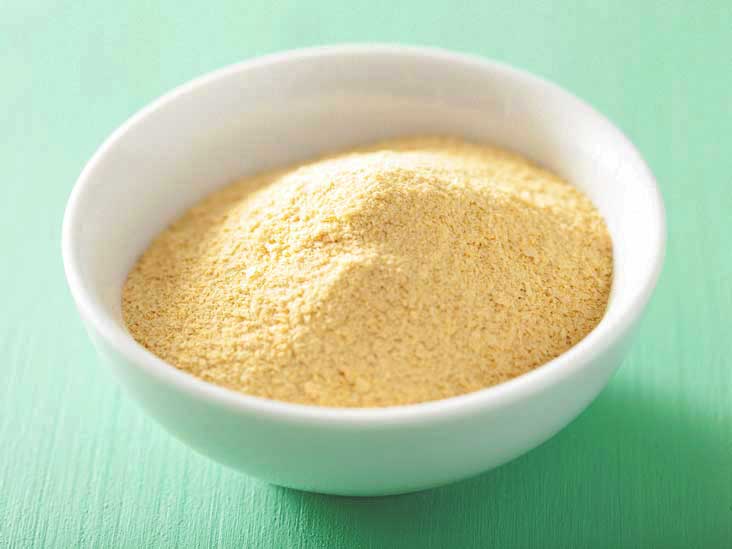
It comes in flake form and is yellow in color. Not the most appealing food product, but you can’t beat the nutritional benefits!
Previously, it was mainly found in the bulk bin section of grocery stores or at health food stores, but has since become quite popular and can be found in many grocery chains and online. I found it at Trader Joe’s on the shelves by the flour and sugar.

What are the Benefits of Nutritional Yeast?
Nutritional Yeast is a great addition to foods, especially for vegans and vegetarians.
- Naturally dairy free, soy free, and gluten free it fits into a lot of restrictive diets.
- It’s a complete protein, meaning in contains the 9 essential amino acids that your body can’t produce.
- No added sugars or preservatives
- Source of B-Vitamins, like folate, niacin and thiamine
-
- responsible for assisting in pulling energy out of food and producing red blood cells
- Fortified with Vitamin B-12, which is typically only found in animal products
- Typically contains about 2-4 grams of fiber per 2 tbsp
- Low calorie – about 20 calories per tablespoon
Comparison with other types of yeast
The three main types of yeast that come from S. cerevisiae are:
- Baker’s yeast. Baker’s yeast is used to leaven bread. The yeast is killed during cooking but imparts an earthy, yeasty flavor.
- Brewer’s yeast. Brewer’s yeast is used to brew beer. The dead yeast cells left over from the brewing process can be taken as a nutritional supplement, but they taste very bitter.
- Nutritional yeast. This version is grown specifically for use as a food product. The yeast cells are killed during manufacturing, which makes this yeast inactive. It’s used in cooking or as a seasoning, offering a savory or umami flavor.
Types of nutritional yeast
To produce nutritional yeast, S. cerevisiae cells are grown for several days on a sugar-rich medium, like molasses. The yeast is then deactivated with heat, harvested, washed, dried, crumbled, and packaged for distribution.
There are two types of nutritional yeast — unfortified and fortified:
- Unfortified. This type doesn’t provide any added vitamins or minerals. It only contains the vitamins and minerals that are naturally produced by the yeast cells as they grow.
- Fortified. This type contains synthetic vitamins added during the manufacturing process to boost nutrient content. Any additional vitamins are included in the ingredient list.
Fortified nutritional yeast is the most common type and offers the most benefits.
Nutritional yeast is sold as thin flakes, granules, or powder. You can find it in the spice or condiment section at most grocery stores or in bulk bins of health food stores. It has a pale yellow color and may come packaged in a bag, shaker, or plastic container.
This ingredient fits nearly any diet or eating style. It’s naturally low in sodium and calories, and it’s fat-free, sugar-free, gluten-free, and vegan.
How Do You Use Nutritional Yeast?
Nutritional Yeast has a cheesy and slightly nutty flavor, similar to parmesan cheese.
It “melts” nicely when heated up, making it a great addition to casseroles and baked dishes.
It’s versatile and can be used in a number of different ways –
- Sprinkle on top of pasta, baked potatoes, and roasted vegetables
- Add to sauces or scrambled eggs
- Sprinkle over popcorn or kale chips
Nutrition Information
A 2 tablespoon serving of nutritional yeast contains:
- Calories: 50
- Protein: 8 grams
- Fat: 1 gram
- Carbohydrates: 5 grams
- Fiber: 4 grams
- Sugar: 0 grams
- Thiamine (B1)
- Riboflavin (B2)
- Pyridoxine (B6)
- Potassium
- Zinc
Fortified nutritional yeast also contains high levels of vitamin B12 and folic acid (B9), both of which help your body make and maintain your DNA and red blood cells. Not all varieties sold are fortified, so be sure to check each product’s label for its nutritional content.
Potential Health Benefits of Nutritional Yeast
Nutritional yeast is a great source of vitamins and minerals. It also contains all nine essential amino acids, making it a complete protein like those found in animal products.
Complete proteins are important nutrients that assist functions like tissue repair and nutrient absorption. They may also prevent muscle loss.
Other potential health benefits of nutritional yeast include:
Heart Health
The fiber in nutritional yeast, beta-glucan, may reduce cholesterol levels. Nutritional yeast is also a low-glycemic food that contains chromium, a mineral that may help regulate your blood sugar. Maintaining good blood sugar and cholesterol levels lowers your risk for diabetes and heart disease.
Immune System Support
Beta-glucan is also believed to strengthen your immune system. One study found that people who consumed nutritional yeast were 25% less likely to catch a cold than those who didn’t. Those who did get sick experienced less severe symptoms and sleeping problems.
Nutritional yeast also contains high amounts of antioxidants, which may have anticancer properties and improve certain immune responses.
Physical Recovery
Nutritional yeast may improve your physical recovery after exercising. Studies have found that athletes who consumed yeast products with beta-glucan experienced less post-workout fatigue and better moods than those who didn’t.
Researchers believe yeast restores white blood cells that are lost during exercise. This cell restoration promotes muscle recovery, strengthens the immune system, and reduces inflammation. Nutritional yeast also contains high levels of zinc, a mineral that aids in muscle repair and regeneration.
Fights Fatigue
Getting enough vitamin B12 in your diet helps you avoid feeling tired. While there is no evidence that vitamin B12 boosts energy in people who get enough in their diet, the most common sign of deficiency is fatigue.
Potential Risks of Nutritional Yeast
Nutritional yeast is considered safe for most people, but it may cause issues for those who are sensitive to yeast products or who take certain medications. Talk to your doctor before using nutritional yeast to avoid potential side effects.
Consider the following before adding nutritional yeast to your diet:
Yeast products contain tyramine, an amino acid that helps regulate blood pressure. While it’s uncommon, tyramine may trigger headaches in people who experience migraines.
Allergies
People with a sensitivity to yeast products should not consume nutritional yeast. Nutritional yeast may also worsen symptoms in people with inflammatory bowel diseases like Crohn’s disease.
Digestive Issues
Nutritional yeast is an excellent source of fiber. A two tablespoon serving contains about 20% of your daily intake. However, increasing your fiber consumption too quickly can cause digestive discomfort. It’s best to start with small portions and make sure to drink plenty of water to aid digestion.
Medication Interference
The tyramine in nutritional yeast may interact with certain medications, including monoamine oxidase inhibitors used to treat depression, some narcotics that treat severe pain, and antifungal drugs. Nutritional yeast is also not recommended for people taking drugs to treat diabetes.


