Most of us associate supplements with health, and many supplements make big claims about their benefits. However, there is relatively little evidence to support the idea that supplements claiming to improve heart health actually do so.
If eating a heart-healthy diet is good for your heart, you might wonder if taking vitamins and other nutritional supplements that are touted as heart-healthy further protects you from cardiovascular disease.
While some supplements may be beneficial for improving factors that lead to heart disease, like cholesterol or blood pressure, supplements are not evaluated by the FDA and may often make misleading claims. Some supplements may even worsen heart health. For example, vitamin E can increase the risk of heart failure and stroke in some patients, and there are risks associated with taking vitamin D with calcium. Certain supplements may also interact with heart medications in negative ways. It is always recommended to consult your doctor before taking any supplement for these reasons.
Some of the most popular “heart health” supplements include fish oil, magnesium, folic acid, CoQ10, and fiber. While some may improve heart health or risk factors such as high blood pressure, research has been mixed, and it is unlikely that any one of these supplements will greatly improve heart health by itself. Furthermore, a recent study in the Annals of Internal Medicine showed that most supplements do not improve heart health. The most promising supplements included omega-3 and folate for some individuals, but the most consistently effective outcomes came from lifestyle interventions such as diet and exercise.
Many Nutritional Supplements Claim to Improve Heart Health. Only 3 Do. Over the years, you’ve likely seen more than a few ads for dietary supplements while scrolling through your social media feed; ads that promise some product can help you lose weight, leave you with clearer skin, or even improve your heart health. Improve Heart Health:
- Many claims about supplements are overblown or even false.
- Researchers say there are only three supplements that are likely to help your heart: omega-3 fatty acids, coenzyme Q10, and red rice yeast.
- There’s not enough evidence right now that vitamins and minerals are beneficial to your heart.
But experts say many of these claims are often overblown, or, in some cases, completely false.
When it comes to your heart health, however, a report published in the Methodist DeBakey Cardiovascular Journal claims these three nutritional supplements are the ones most likely to help.
1. Omega-3 fatty acids for Heart Health
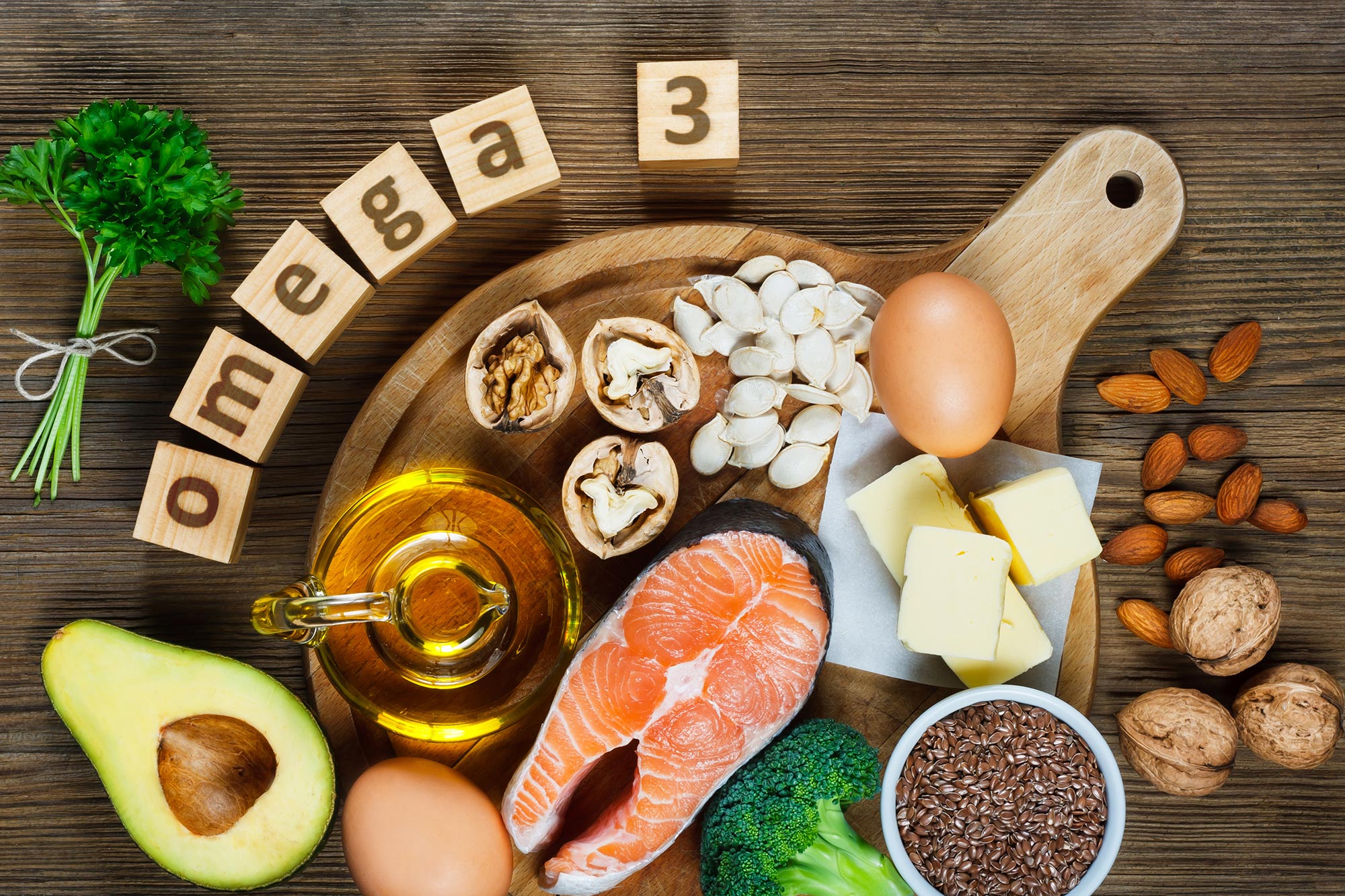
According to the authors of the 2019 review, there’s now “compelling evidence” supporting the use of omega-3 fatty acids.
The first of the reviewed studies dealt with omega-3 fatty acid esters (O3AEE).
O3AEE is a prescription version of omega-3 fatty acids. It’s approved by the Food and Drug Administration for the treatment of high triglycerides.
Researchers found it led to a 28 percent reduced risk of heart attacks, a 50 percent reduced risk of dying from a heart attack, and a 17 percent reduced risk of total coronary heart disease events.
People in the study were using 1 gram per day of O3AEE, which provides 840 milligrams (mg) of EPA and DHA.
In the second trial, cardiovascular disease death was reduced by 19 percent.
Participants in this trial also used a dose of 840 mg EPA and DHA.
Finally, in the third trial, there was a 24 percent decrease in major cardiovascular events.
People in this study had high triglyceride levels and were also taking a statin drug.
They were taking a dose of 4 grams per day of EPA.
Omega-3 fatty acids are often supplemented by using over-the-counter (OTC) fish oil preparations as well as by consuming fatty fish, such as salmon and mackerel.
Nevertheless, before you ramp up the amount of fish in your diet, Dr. Ragavendra Baliga, a cardiologist at The Ohio State University Wexner Medical Center, cautions that mercury contamination can sometimes be an issue in both OTC fish oil preparations and fresh fish.
However, prescription fish oil doesn’t have this issue.
2. Coenzyme Q10 for Heart Health
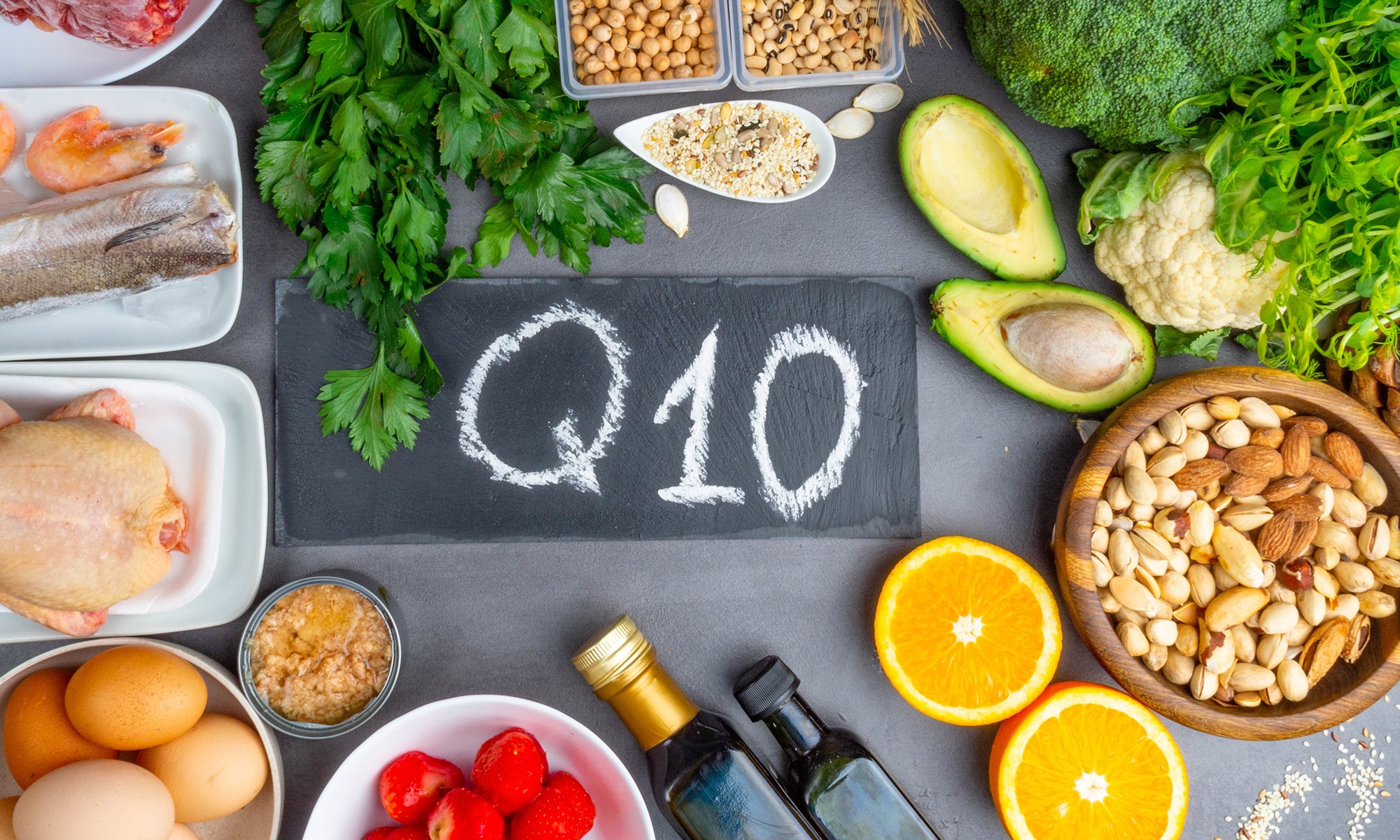
Multiple studies have looked at the use of coenzyme Q10, primarily for two conditions: statin-associated myopathy syndrome (SAMS) and congestive heart failure.
Coenzyme Q10 for SAMS
SAMS is a condition that occurs in people who are using statins to lower their cholesterol.
People who have SAMS may have symptoms such as muscle aches, cramps, muscle weakness, and, rarely, rhabdomyolysis (injury and death of muscle tissue).
Clinical trials dealing with the use of coenzyme Q10 for SAMS have given conflicting results.
However, the largest and most recent study dealing with this topic does suggest it’s effective in preventing and treating SAMS.
Numerous anecdotal reports from patients also supports its use.
There’s no established dose for coenzyme Q10, although, on average, 200 mg taken twice daily with meals will give a therapeutic blood level of >2.5 mcg/mL.
In most heart-related clinical trials, doses between 100 and 400 mg have been used.
Coenzyme Q10 for heart failure
Congestive heart failure is a condition in which the heart can’t pump blood as well as it should.
People with the condition may have symptoms such as:
- difficulty breathing
- tiredness
- weakness
- fluid retention
- irregular heartbeat
- cough
- pink-tinged phlegm
- increased urination
- loss of appetite
- nausea
- problems with concentration
- chest pain
People with heart failure tend to have a deficiency in coenzyme Q10 in their blood and heart muscle tissue.
Since coenzyme Q10 increases ATP production and cellular energy, it should help failing hearts in theory.
Perhaps the strongest evidence in favor of coenzyme Q10 in the treatment of congestive heart failure is the Q-SYMBIO trialTrusted Source.
During the 2-year trial, participants were given 100 mg of coenzyme Q10 three times a day.
After 2 years on the supplement, the results were reported to be “impressive.”
There were 43 percent fewer major adverse cardiac events in the treated group versus placebo group.
In addition, there was a significant improvement in the severity of symptoms.
Improvements in ejection fraction were seen in those with a baseline of 30 percent, although not in those below that figure.
Both Baliga and Dr. Satjit Bhusri, assistant professor of cardiology at Zucker School of Medicine at Hofstra/Northwell, list coenzyme Q10 as being among the supplements they recommend for their patients.
Both Bhusri and Baliga note there have been mixed results in the studies dealing with this supplement.
However, Bhusri points out that “no data points at a negative impact.”
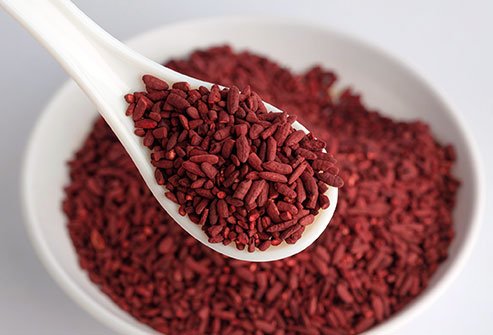
3. Red rice yeast for Heart Health
Among the heart disease risk factors that can be altered, high total cholesterol and high LDL (bad) cholesterol are considered to be the most important in the development of coronary heart disease.
Doctors generally use prescription medications called statins to improve a person’s cholesterol profile in order to lower their heart disease risk.
However, there’s also an OTC supplement that can lower high cholesterol: red rice yeast.
Red rice yeast contains a substance called monacolin K.
Monacolin K has the same chemical structure as the prescription statin lovastatin, although its pharmacokinetic profiles and bioavailability are somewhat different.
When monacolin K is used daily, it can reduce LDL cholesterol by 15 to 25 percent within 6 to 8 weeks. It can also lower total cholesterol by a similar amount.
Consuming monacolin K in doses of 3 to 10 mg has only minimal risks relative to prescription statins.
It’s considered to be a safe and effective supplement for those who have mild to moderate elevation of their cholesterol levels and no other heart disease risk factors.
Baliga notes, however, that red rice yeast supplements would have the same precautions that relate to prescription statins.
4.Plant sterols for Heart Health
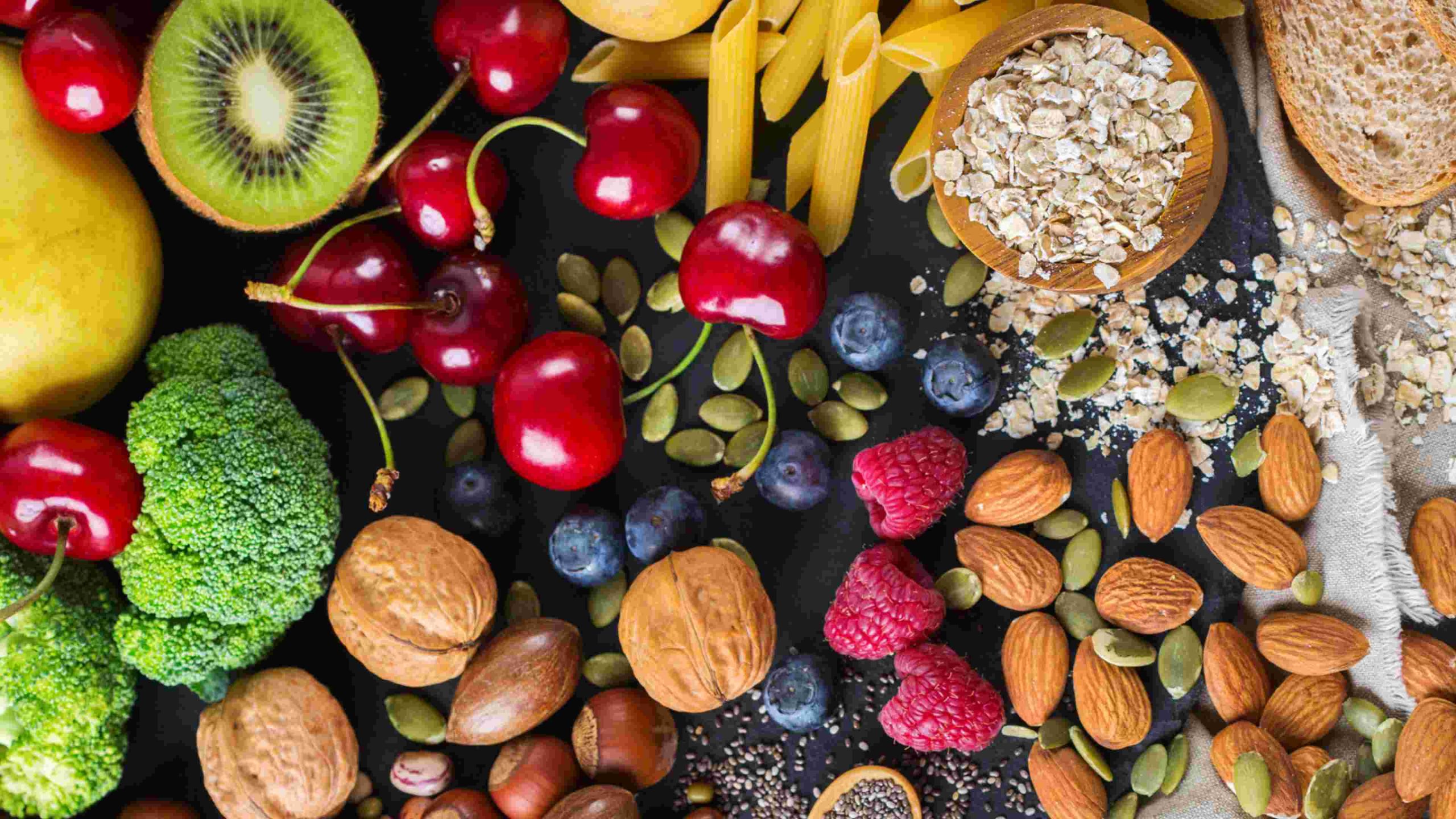
There are low levels of plant sterols in fruits, vegetables, nuts, and cereals. Some foods like margarine have plant sterols added to them and you can also buy them as supplements.
Supplement names
Plant sterols are also known as plant phytosterols.
Benefits
Eating foods that contain plant sterols as part of a balanced diet can help to reduce ‘bad’ cholesterol. Eating 2 grams of plant sterols everyday can help to lower cholesterol by around 9%1. If you’ve been prescribed medication to lower your cholesterol, like a statin, it’s important that you continue to take your medication alongside taking plant sterols.
Eating foods with plant sterols added, or taking a supplement is only effective if you do it regularly.
Plant sterols may be best for people trying to lower their cholesterol. They should be taken as part of a heart-healthy diet with healthy fats, whole grains, vegetables, fruit, legumes, nuts and seeds.
Side effects
Plant sterols are generally safe for most healthy people.
If you have a health condition, talk to your doctor to see whether plant sterols are safe for you2.
Supplements that don’t work for Heart Health
About half the U.S. adult population is reported to use various vitamins and minerals in the hopes they’ll either prevent or help heart disease.
However, when researchers examined the medical literature related to multivitamins and multiminerals, antioxidants, folic acid, vitamin E, niacin (vitamin B-3), and beta carotene, no real benefits in either preventing or treating heart disease were found.
Although there’s a large body of observational data indicating that low serum levels of vitamin D seem to be linked to an increased risk of heart disease, recent studies haven’t confirmed that this supplement is of any benefit, either.
Bhusri says he does recommend it for his patients, however.
He points to recent studies indicating that people with a deficiency show improvements when using prescription vitamin D.
Vitamin D deficiency is easily checked with a blood test, says Bhusri.
Vitamins and supplements don’t protect you from heart disease.
Johns Hopkins researchers (including Miller) reviewed randomized clinical trials involving hundreds of thousands of subjects, in which some were given vitamins and others a placebo. “We found no evidence of benefits to cardiovascular disease,” Miller says. “Supplements were ineffective and unnecessary.”
One possible exception is omega-3 or fish oil capsules. This type of fatty acid, found in fish and marine algae, helps the heart. Two servings of fatty fish per week provides enough for most people. For those who don’t get enough omega-3 in their diet, supplements may be helpful, Miller says.
Vitamins and supplements can be unsafe.
While research has turned up no clear benefit to supplements, consuming too much of certain vitamins can be harmful. Too much calcium and vitamin D are associated with an increased risk of cardiovascular disease, Miller says. Though studies are ongoing, there’s little evidence that any amount of a vitamin D supplement will protect the heart, he adds.
Another risk is that what you see on the label isn’t always what you get. Investigations have shown that too often pills said to contain medicinal herbs are actually full of fillers like powdered rice or even dangerous substances. Some don’t even contain any of the herbs on the labels.
“Supplement production is not regulated by the FDA nor does the industry need to prove health benefits, so they can use vague language like ‘good for heart health’—but they can’t say ‘will lower blood pressure,’ ” Miller says.
Food is the very best source of the nutrients your heart needs.
Your body needs a range of vitamins to function properly—but they need to come from food. Not only is there no proof of much benefit from supplements, they also often contain unnaturally high doses of limited types of nutrient compounds. There are more than 600 different types of carotenoids (a type of antioxidant), for example. You’re far more likely to get these antioxidants from a varied diet than a single pill.
“Food offers a full complement of the antioxidants you need, not just selected ones in high doses,” Miller says.
The bottom line
Despite claims to the contrary, many dietary supplements don’t provide a noticeable health benefit.
However, researchers say three supplements do appear to improve heart health: omega-3 fatty acids,coenzyme Q10, and red rice yeast.
Though these are generally considered safe, there are minor risks that should be considered.
Before you begin taking any supplement, talk with your doctor, and make sure the product you’re considering is right for you.


