Celery juice is a great way to add a wealth of nutrients to your day. It’s light, refreshing, and healing. It gives you energy without adding too many calories into your diet. Many people enjoy the taste and the benefits it provides.
Celery juice is rich in nutrients and drinking it may come with many health benefits.
Some people think that it can cure conditions like cancer, obesity, thyroid issues, and acne, although research is scarce.
As such, you may wonder which claims are dubious and which are backed by science.
Keep reading to learn more about the nutritional information and benefits of celery juice.
Celery juice nutrition
A glass of celery juice only has about 40 caloriesTrusted Source. It contains the following important nutrients:
- vitamins A, K, and C
- beta carotene
- flavonoids
- phytonutrients
- calcium
- iron
- magnesium
- phosphorus
- potassium
Because most of its plant fiber has been removed, celery juice packs more nutrients per serving than celery stalks.
Just 1 cup (240 mL) of celery juice provides :
- Calories: 42.5
- Protein: 2 grams
- Carbs: 9.5 grams
- Sugar: 5 grams
- Calcium: 8% of the Daily Value (DV)
- Magnesium: 7% of the DV
- Phosphorus: 5% of the DV
- Potassium: 14% of the DV
- Sodium: 9% of the DV
- Vitamin A: 7% of the DV
- Vitamin C: 16% of the DV
- Vitamin K: 74% of the DV
It’s also rich in many other nutrients, such as zinc, copper, folate, biotin, other B vitamins, and numerous antioxidants .

Celery juice health benefits
Remember that celery juice won’t contain the beneficial fiber that the raw, unjuiced vegetable has. However, celery juice is a great way to stay hydrated since it contains mostly water. Here are five of the ways that celery juice can benefit your health:
1. Lowers blood pressure
StudiesTrusted Source have shown that celery seed extracts have anti-hypertensive properties. Celery contains a phytochemical that relaxes the tissues of the artery walls. This causes increased blood flow and may lower blood pressureTrusted Source.
2. Protects against chemotherapy effects
Active components of celery* can alter the effect of certain drugs. An animal study from 2009 found that celery juice had protective effects when used with doxorubicin, a chemotherapy drug used to treat cancer. Consuming celery juice had a positive effect on doxorubicin treatment and reduced damage from free radicals. It protected against oxidative stress. Oxidative stress is caused by an imbalance of free radicals and antioxidants.
3. Prevents chronic diseases
Celery is one of the main food sources of flavonoids. Scientists are looking into the relationship between flavonoids and the prevention of chronic diseases. Further research is needed, but one study from 2014 found that a flavonoid isolated from celery had antioxidant activities that have a beneficial effect on health. The flavonoids were tested in vitro (using samples in a lab) and in mice. The antioxidant activity took place in the heart, liver, and kidney of the mice.
4. Minimizes oxidative stress
Another study found that flavonoid extract from celery minimized oxidative stress in rats. The oxidative stress was caused by an insecticide.
5. Has anti-inflammatory properties
Flavonoids found in celery have also been shown to have anti-inflammatory properties. A study from 2012 looked at the effect of juicing on flavonoids in particular. The results showed that juicing is an effective way to consume flavonoids.
6.Hydrating
Celery juice consists mostly of water and may help you stay hydrated.
Staying hydrated is vital for your body, but many people don’t get enough water per day. Proper hydration helps manage blood pressure, body temperature, brain function, nutrient delivery, waste excretion, and kidney health .
7.Low in sugar
Celery juice is a healthier option than sugary beverages.
A single cup (240 mL) provides just 5 grams of naturally occurring sugar .
Meanwhile, sugar-sweetened beverages like soda, energy drinks, and specialty coffees account for up to 50% of added sugar in the U.S. diet. Depending on how much you drink, these beverages can easily add an extra 500 calories to your daily intake.
Choosing low sugar beverages like celery juice may cut down your overall sugar and calorie intake.
8.Anti-inflammatory properties
Celery juice is high in plant compounds called phytonutrients, which may reduce inflammation .
These compounds act as antioxidants and help reduce oxidative stress. Oxidative stress occurs when unstable molecules called free radicals accumulate in your body.
Antioxidant-rich diets are linked to lower rates of chronic ailments, including heart disease, diabetes, obesity, and certain cancers. They may also boost skin health.
How to make celery juice
Making celery* juice is simple. You’ll need:
- 2 to 3 fresh stalks of celery
- a juicer or a blender
- a sharp knife
Clean the celery and remove any leaves. Press the stalks through the juicer. Drink the juice fresh.
You can use a blender if you don’t have a juicer. Once you have blended the celery stalks into a puree, you can use a cheese cloth or strainer to filter out the pulp.
You can add a few ice cubes or drink it closer to room temperature. Juice is usually best consumed fresh, but you can store some for later. Cover it tightly and keep it in the refrigerator for up to two days.
Try using different herbs and spices to add zest to your drink if you want to liven it up a bit. Some people recommend drinking celery juice on its own, but you can also experiment with adding different fruits and vegetables, such as cucumber, mint, or lime.
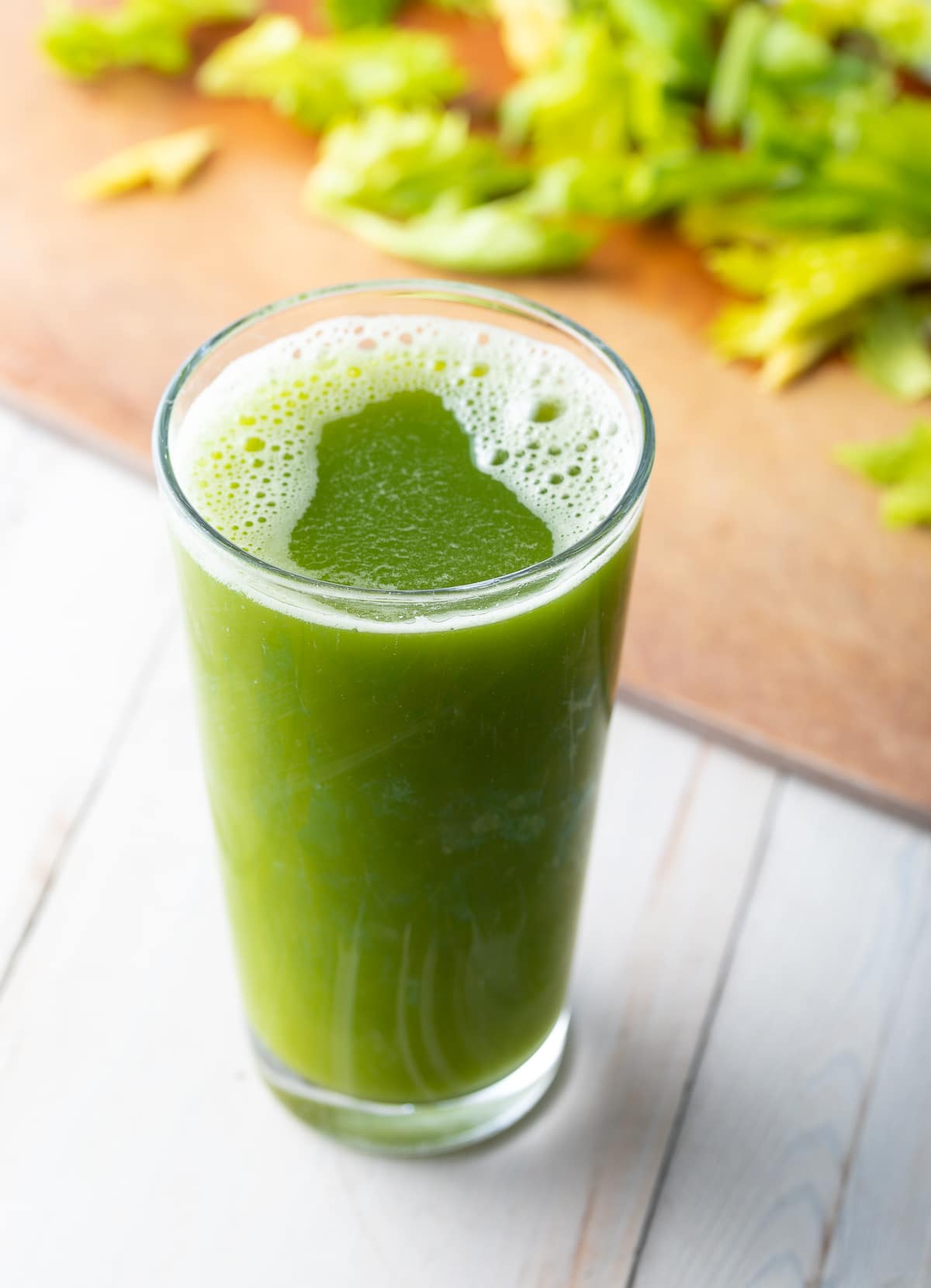
Can celery juice help the gut?
Celery juice may affect the gut in several ways.
Contains beneficial plant compounds
Celery juice contains luteolin and pyrroloquinoline quinone (PQQ), two plant compounds thought to reduce inflammation in your gut.
Luteolin is also found in many fruits and vegetables like broccoli, peppers, and spinach. Other PQQ-rich foods include green tea, papaya, and tofu .
One 12-week study in mice fed a high fat diet found that mice that received probiotic-fermented celery juice had a healthier variety of gut bacteria. However, fermented celery juice differs from freshly made juice, as it’s infused with gut-healthy bacteria .
Fermented or fresh, there’s not enough evidence on luteolin, PQQ, or other compounds found in celery juice to determine how they may affect the gut. Ultimately, research including humans is needed before making definitive conclusions.
Unstrained juice provides fiber
It’s worth considering how the celery juice you drink is made. Usually, fiber is strained out of it. Because fiber is key to a healthy gut, strained juice is less beneficial to your digestive health .
So, to reap the most gut health benefits, it may be best to not strain your juice .
Not ideal for everyone
Unfortunately, some people with sensitive digestive systems, such as those with irritable bowel syndrome (IBS), may not tolerate celery juice.
This is due to its high content of fermentable starches, also known as FODMAPs. These can cause bloating and discomfort when digested.
If you experience digestive side effects after drinking celery juice, it’s likely best to avoid it. You may consider consulting a healthcare professional to investigate if there could be a digestive condition like IBS behind your symptoms.
Celery juice cleanses
Though celery juice cleanses are a popular health trend, you should be skeptical of their claims. They’re often overblown and not based on science.
False claims
Celery juice has soared in popularity. In part, this is due to Anthony William, a self-proclaimed health expert with no formal background in nutrition or medicine.
William claims that celery juice is a cure-all that heals chronic illnesses due to its content of so-called “undiscovered cluster salts” that kill off harmful bacteria in your gut.
However, no evidence supports the existence of these salts.
Moreover, there’s only limited research into celery juice’s effects on acne, diabetes, liver disease, and weight loss.
Finally, celery juice does not detoxify your body, as another popular claim states. Your body has its own natural detoxification system that includes the liver, kidneys, intestines, and lungs. You do not need to drink special beverages for detoxing.
What the cleanse entails
While some people may experience health benefits when following a celery juice “cleanse,” this is likely due to broader lifestyle changes like limiting processed foods, drinking more fluids throughout the day, or exercising regularly.
To follow Anthony William’s celery juice diet, you’re meant to drink 16 ounces (475 mL) of celery juice each morning on an empty stomach. This amount is increased to 24–32 ounces (710–945 mL) if you have a chronic disease.
You then resume a healthy diet for the rest of the day, though specifics aren’t mentioned. Many people treat the diet as a 10-day cleanse, while others follow it for longer.
Unfortunately, cleanses and fad diets tend to promote excessive calorie restriction, which can lead to dangerous weight loss, nutrient deficiencies, and hunger.
Research also associates juice cleanses with disordered eating and a negative relationship with food .
Downsides
Though celery juice can be nutritious, it carries a handful of downsides to consider.
Contains sodium
One cup (240 mL) of celery juice contains around 215 mg of sodium .
Most healthy adults should limit their daily sodium intake to no more than 2,300 mg. A glass or two of celery juice can contribute noticeably to this total, so it’s worth keeping in mind .
This holds especially true if you’re considering following the celery juice diet, which recommends a large amount of juice each day.
In particular, people on salt-restricted diets may wish to avoid, or at least limit, celery juice.
Low in fiber
Most celery juice is strained to remove its fiber.
Though straining may result in more vitamins per cup (240 mL), fiber is a healthy nutrient that helps keep you full. Without it, your body digests the juice quickly, which can make you feel hungry soon after drinking it.
Replacing a nutritious, fiber-rich breakfast with celery juice may leave you hungry and cause you to eat more calories later in the day.
Additionally, fiber is associated with many health benefits, such as weight maintenance, gut health, and reduced cholesterol and blood sugar levels.
If you want to bump up your fiber intake, you can also opt for fresh celery sticks.
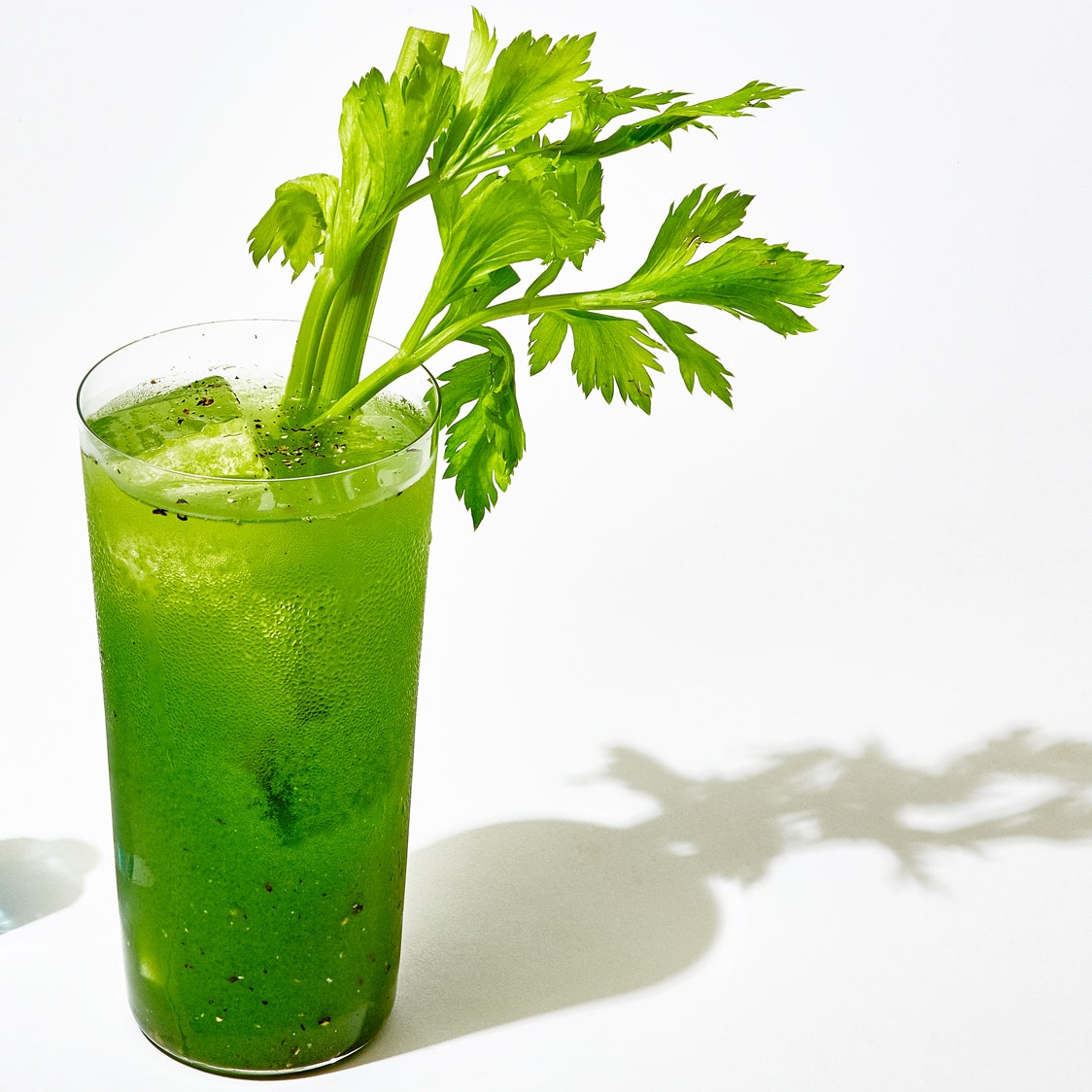
Who should drink celery juice?
Celery juice can be a great, refreshing drink to enjoy in moderation as part of a healthy diet.
Feel free to enjoy it with a balanced meal or as part of a snack if you enjoy it. It’s best to drink it without straining to get more fiber.
However, based on the evidence, detox cleanses are not advisable. They may be linked to nutritional deficiencies and disordered eating .
Those with digestive issues like IBS or other conditions may want to steer clear of celery juice as it contains a type of starch that ferments in the gut and can cause digestive upset, bloating, and discomfort .
Plus, those with heart disease or high blood pressure should keep its sodium content in mind, especially if they have been advised to follow a low sodium diet.
People who are pregnant, especially those in early pregnancy, should avoid celery juice. There are speculations that the drink could cause uterine contractions that may lead to miscarriage, although more research is needed in this area.
Lastly, people taking certain medications should avoid celery juice. These medications include sedatives, medications for thyroid function, and those that control bleeding, clotting, or blood pressure.
Some of these include:
- levothyroxine (Synthroid)
- lithium
- clonazepam (Klonopin)
- furosemide (Lasix)
- warfarin (Coumadin)
- aspirin
- clopidogrel (Plavix)
- nonsteroidal anti-inflammatory drugs (NSAIDs), such as ibuprofen (Advil) or naproxen sodium (Aleve)
- amlodipine (Norvasc)
How to make celery juice
If you want to add celery juice to your diet, it’s simple to make at home.
Using a juicer is the easiest way to make it. Simply wash 3–4 celery stalks and run them through the juicer. If preferred, enjoy with ice cubes.
If you don’t have a juicer, cut 3–4 washed celery stalks and blend them until smooth. Place a strainer or mesh cloth over a wide-rimmed jug, pour the liquid into the strainer, and press down to extract all the juice. You may also keep some fiber in the drink.
For a bit of zest and flavor, try adding green apples, fresh ginger, cucumber, fresh mint, or lemon juice.
You can also buy celery juice from many grocery stores. Try to avoid those with added sugar or flavorings.
It’s best to drink this juice with a meal full of fiber, healthy fats, and protein to keep you feeling full and satisfied.
The bottom line
Celery juice is low in sugar and contains potassium and vitamins A, C, and K. This popular drink may reduce inflammation and boost hydration, among other benefits.
However, you shouldn’t use celery juice to detox your body, as cleanses put you at risk of dangerous calorie restriction and nutrient deficiencies. Furthermore, claims that this juice heals certain diseases are unfounded and not backed by science.
If you’re interested in celery juice, be sure to drink it as part of a balanced diet. For extra health benefits, try drinking it without straining if first to reap the gut-friendly perks of fiber.
People with digestive issues like IBS, those who are pregnant, and individuals taking certain medications should consult with a healthcare professional before adding celery juice to their regular morning ritual.
Just one thing
Try this today: If celery juice is something you’d like to try, make a cup for yourself at home using the recipe above. If you want to retain some fiber, you can add back in some of what you strain out. Garnish with a celery stick.


